
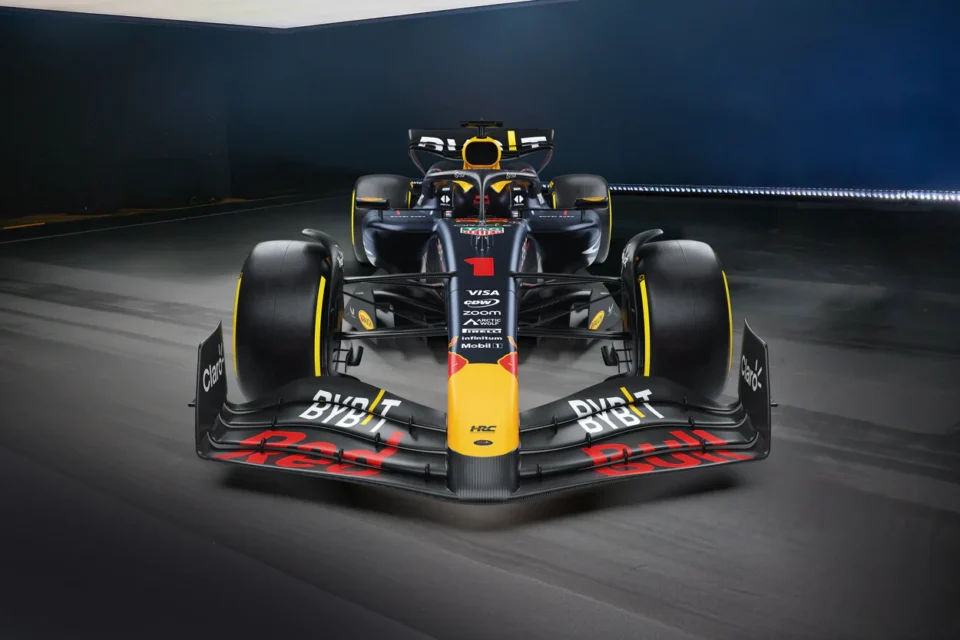
For over a decade, the Drag Reduction System (DRS) has been the primary tool for overtaking in Formula 1. However, as we move into the 2026 season, the “Playbook” for racing strategy is being completely rewritten. The FIA has introduced Manual Override Mode—a technical shift that moves the advantage from aerodynamics to pure electrical power.
If the LBW rule is the technical heart of cricket strategy, Manual Override is now the technical heart of F1 racing. Here is everything you need to know about how it works.
1. What is Manual Override Mode?
In previous seasons, the car behind gained an advantage by opening a flap in the rear wing to reduce drag. In 2026, the advantage is power-based.
While all cars have a standard energy discharge curve that tapers off as they reach higher speeds (around 290 km/h to 340 km/h), a car within a specific distance of the leader will be granted extra electrical deployment.
The Leader: Their energy deployment drops as they go faster to maintain battery efficiency.
The Chaser: They can trigger “Manual Override” to maintain a full 350kW (roughly 470hp) of electrical boost all the way to the end of the straight.
2. Active Aerodynamics: X-Mode vs. Z-Mode
To make this work, the 2026 cars feature “Active Aero.” Instead of just the rear wing moving, both the front and rear wings now have two distinct states:
Z-Mode (High Downforce): This is the default “Playbook” setting for corners. The flaps are angled to push the car into the track, providing maximum grip.
X-Mode (Low Drag): On the straights, the driver toggles to X-Mode. Both wings flatten out, reducing air resistance and allowing for much higher top speeds without burning extra fuel.
3. The 50/50 Power Split
The reason for this change is the new Power Unit. For the first time, the energy is split almost equally:
Internal Combustion Engine (V6 Turbo): Provides roughly 400kW.
Battery/Electric Motor (ERS): Provides roughly 350kW.
Because the battery now does so much of the heavy lifting, drivers can no longer just “floor it.” They must play a tactical game of Harvesting (saving energy) and Deployment (spending energy).
4. Why This Changes the Race Strategy
In the old “Playbook,” a driver just waited for the DRS zone. In 2026, the strategy is much more complex:
Battery Management: A driver might intentionally stay behind for three laps, “harvesting” energy to ensure they have a full battery for a Manual Override attack on the final lap.
Defensive Deployment: The leading driver must decide when to use their limited battery boost to protect their lead before the “Override” window opens for the car behind.
The Playbook Verdict
The 2026 regulations move F1 away from “push-button” overtaking and toward a game of energy chess. Success no longer depends just on who has the fastest car, but on which driver manages their electrical “bank account” more effectively over a 50-lap race.
Keep browsing Sporting Avenue to get more interesting news from the world of sports. You can follow us on Facebook, Twitter, and Instagram to get the notifications instantly.
