
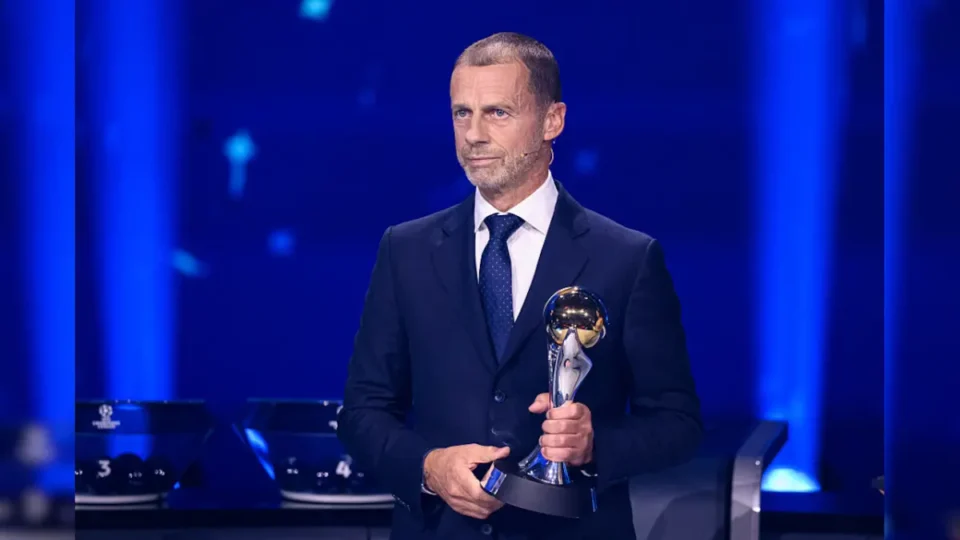
UEFA president Aleksander Ceferin has positioned European football’s governing body to challenge FIFA boss Gianni Infantino in upcoming political struggles. Although he will sit out the upcoming presidential vote, Aleksander Ceferin has thrown European support behind French Football Federation chief Philippe Diallo. Meanwhile, critics note that this bold strategy follows a series of high-profile political victories for the Slovenian official against controversial global governing body policies.
- UEFA successfully blocked a controversial private investor plan backed by FIFA leadership recently.
- European officials previously united with South American confederations to defeat biennial World Cup proposals.
- Ceferin also led swift opposition against the abortive European Super League project back in 2021.
- French chief Philippe Diallo emerges as the new candidate backed by European associations.
Political Strategy and Battles
Aleksander Ceferin has often described himself as an underdog leader despite holding significant continental power since 2016. Because political battles require immense energy, he deliberately chooses his conflicts carefully across sports administration. Analysts suggest this tactical patience has yielded major victories for European football against global directives.
Earlier disputes involved intense negotiations with government officials and stakeholders during the European Super League crisis. Although recent statute changes allowed him to pursue a fourth term, internal dissent arose within European circles. Nevertheless, his coalition remains a powerful force in international football governance.
Future Impact on Global Football
Future elections will test the strength of the coalition built by European leaders against incumbent administrators. Because governance models face intense scrutiny, member associations demand greater transparency from international sports bodies. Consequently, upcoming electoral battles could completely reshape the power dynamics within world football administration.
Observers expect further debates over tournament scheduling, financial models, and expansion plans in coming months. Therefore, regional federations must maintain unified positions to influence crucial global decisions effectively. Ultimately, these administrative confrontations will determine the structural future of the sport worldwide.
Keep browsing Sporting Avenue to get more interesting news from the world of sports. You can follow us on Facebook, Twitter, and Instagram to get the notifications instantly.
